
Trump Signals Possible U.S. Exit From Iran Conflict Within Weeks, Even Without Agreement
Story: written by Zara April 2,2026
Former U.S. President Donald Trump has indicated that the United States could begin withdrawing from its ongoing military engagement with Iran within two to three weeks, even if no formal agreement is reached with Tehran.
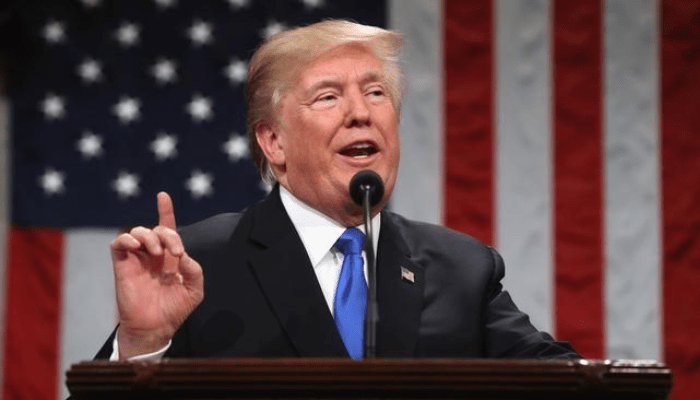
Speaking to reporters at the White House, Trump stated that the U.S. does not necessarily need a deal with Iran to scale down its involvement, marking a notable shift in tone from earlier warnings that operations could intensify if Iran refused to comply with proposed ceasefire terms. He emphasized that an exit could happen soon, reinforcing the administration’s intention to conclude its current mission, dubbed “Operation Epic Fury.”
U.S. Secretary of State Marco Rubio echoed this position during an appearance on Fox News, suggesting that a resolution may be within reach. He described the situation as approaching a “finish line,” while noting that any potential diplomatic engagement between both sides would occur at a later stage. Rubio added that while talks are not imminent, they remain a possibility in the near future.
The White House also announced that Trump would deliver a national address to provide what officials described as an important update on developments in Iran.
Financial markets reacted positively to the news, with stocks rising sharply amid expectations of de-escalation. Investors responded to the possibility of reduced conflict, leading to gains across major global indices.
However, tensions on the ground remain high. Iranian officials pushed back against Washington’s comments, with Foreign Minister Abbas Araqchi stating that communications with U.S. representatives were not formal negotiations but rather exchanges of messages delivered through intermediaries.
Iran’s Revolutionary Guards escalated further by issuing warnings against major American corporations operating in the region, setting a deadline for compliance while maintaining a defiant stance toward U.S. pressure.
Meanwhile, reports of continued military activity highlight the ongoing intensity of the conflict. Drone and missile incidents have been reported across parts of the Middle East, including damage to infrastructure and ongoing strikes involving multiple actors. In Tehran, explosions were reported following overnight airstrikes, underscoring the expanding scale of the confrontation.
The conflict has now extended into its fifth week, drawing in allied groups and regional actors. Forces aligned with Iran, including movements in Yemen and Lebanon, have reportedly carried out attacks in response to ongoing hostilities, further widening the scope of the war.
Inside the United States, the situation is becoming increasingly politically sensitive. Public opinion surveys indicate that many Americans favor ending U.S. involvement quickly, even if it means not achieving all strategic objectives. Rising fuel prices and economic concerns are also adding pressure on the administration.
Officials have also hinted at broader geopolitical implications, including a potential reassessment of relationships with international alliances once the conflict subsides.
As the situation develops, global attention remains focused on whether diplomatic efforts can ease tensions—or whether the conflict will continue to escalate further.


